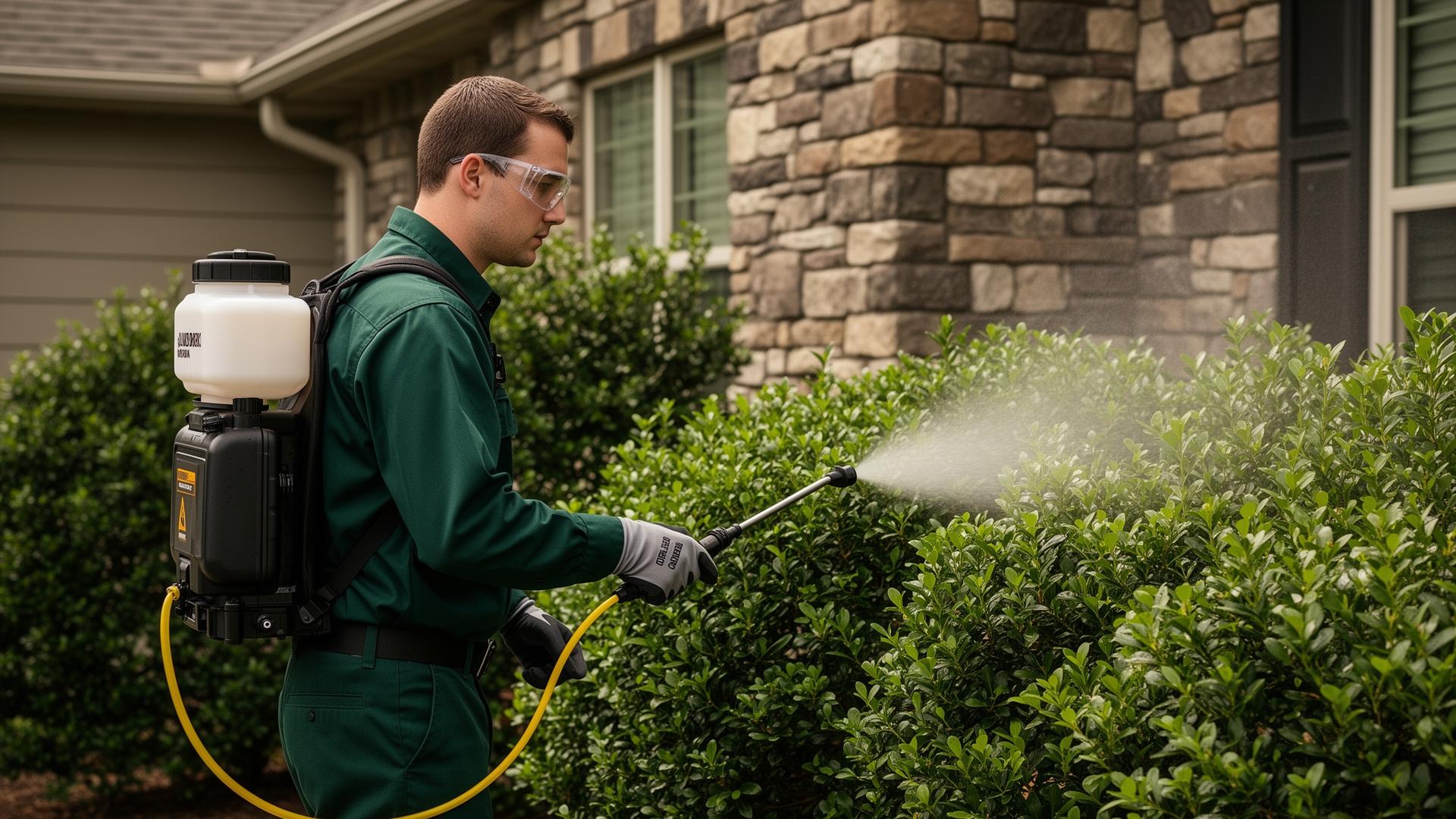
Pest Control for Senior Living Facilities in Chicago
Sleep Tight Pest Control specializes in working with assisted living facilities, memory care units, independent living communities, and nursing homes throughout Chicago — putting residents' comfort, dignity, and health first.
Coordinated Pest Control for Assisted Living and Senior Communities
Why Senior Living Is Different
Pest control in senior living environments presents unique challenges. Residents may have compromised immune systems, respiratory conditions, or sensitivities to chemicals that require extra care in product selection. Many residents are unable to easily vacate their rooms for treatment, requiring careful coordination with facility staff. And because senior living facilities are residential environments, an infestation — especially bed bugs — can spread quickly between rooms if not addressed immediately and comprehensively.
Sleep Tight Pest Control works directly with facility administrators, maintenance directors, and nursing staff to develop treatment protocols that protect residents while effectively eliminating pest activity.
Services for Senior Living
Bed Bug Inspection & Treatment
Room-by-room inspection programs, heat treatment and low-chemical options, staff training on early detection.
Cockroach Control
Label-directed treatments with preparation instructions for kitchens and common areas.
Rodent Control & Exclusion
Entry point sealing, trap monitoring, documentation for state inspections.
Ant & General Pest Control
Interior and exterior treatments with label-directed application and resident-specific precautions.
Preventive Inspection Programs
Scheduled quarterly or monthly inspections to catch problems before they spread.
Emergency Response
Same-day response for active infestations to prevent spread between resident rooms.
Begin with Resident Needs and Access
A facility assessment should identify resident rooms, dining areas, common spaces, and the staff responsible for access. Discuss mobility, respiratory concerns, and other treatment-relevant needs with the care team before selecting methods or arranging occupancy changes.
Heat treatment has a 6-month warranty and liquid treatment has a 3-month warranty. Both require method-specific preparation and authorized re-entry. No method should be described as harmless for every resident or carried out in occupied areas where label or equipment requirements prohibit it.
Assisted Living: Work Around Care Routines
Resident apartments and shared dining spaces have different inspection needs. Plan access with the care director around meals, medication rounds, and activities, while keeping affected furniture and reported signs available for assessment.
Staff reports can identify activity that residents may not notice or be able to communicate. Agree a reporting contact and appropriate inspection access rather than assuming a bite or a change in behavior proves a pest infestation.
Skilled Nursing: Coordinate Restrictions Before Treatment
Nursing, maintenance, and infection-control staff should identify any treatment-relevant equipment, oxygen use, isolation requirements, or relocation limitations. The technician determines permitted application sites and occupancy restrictions alongside that information.
Retain service findings, treatment locations, product information, and maintenance recommendations for the facility’s records. These records support follow-through but are not a promise of regulatory approval or an inspection outcome.
Memory Care: Assign a Familiar Staff Contact
Residents may find unfamiliar people or changes to their room distressing. Arrange a staff contact who knows the resident’s routine and can coordinate access, explain changes, and organize any necessary alternative space.
Reported activity in beds, recliners, or incoming furniture guides inspection. If treatment requires the resident to leave the area, care staff must arrange that safely before work. Familiar routines do not override product-label or equipment restrictions, and return time is confirmed by the technician.
Independent Living: Separate Unit and Common-Area Responsibilities
Private apartments, shared dining rooms, libraries, and activity spaces may have different access contacts. Ask residents to report where signs appeared and whether belongings moved between those spaces, without assuming every apartment is affected.
Coordinate unit access with residents and common-area work with management. Inspection findings guide any wider assessment, while moisture, food storage, door condition, and maintenance recommendations remain specific to the spaces inspected.
Our Approach
- We coordinate with facility management before every visit
- We use the lowest-impact treatment methods appropriate for the infestation
- We provide full documentation for state licensing and inspection compliance
- We offer staff training on pest identification and early reporting
- We develop facility-specific treatment protocols based on your floor plan and resident needs
Who We Serve
Assisted Living Facilities
Dedicated protocols for occupied units.
Memory Care Units
Low-disruption treatments with caregiver coordination.
Independent Living Communities
Building-wide preventive programs.
Nursing & Skilled Nursing Facilities
State inspection documentation included.
Adult Day Care Centers
After-hours scheduling available.
Senior Apartment Buildings
Multi-unit coordination and tenant communication.
Compliance & Discretion
Sleep Tight Pest Control is fully licensed and insured for pest control work in Illinois residential care facilities. We provide complete service documentation that meets Illinois Department of Public Health requirements for licensed care facilities. Our technicians are trained in HIPAA-aware practices and treat all resident interactions with the utmost respect and discretion.
Senior housing operators should also review the Chicago pest control requirements for landlords that apply to residential facilities.
Frequently Asked Questions
Ready to get started?
Same-day service available across Chicago. Call now or schedule online.