On Clark Street between Foster and Bryn Mawr Avenues, an apartment entrance can sit beside a shop window while the building’s working entrances face the alley. Around the Swedish American Museum, historic commercial buildings make Andersonville’s main street recognizable. The properties themselves can combine customer space, upstairs housing, basement storage, and utilities installed through several generations of renovation.
That layout matters when a pest report arrives. A resident’s keys may open the upstairs unit but not the shared basement. A business may control its kitchen while the owner handles the rear door and exterior repairs. Sleep Tight Pest Control plans the inspection around those access boundaries and the activity actually reported.
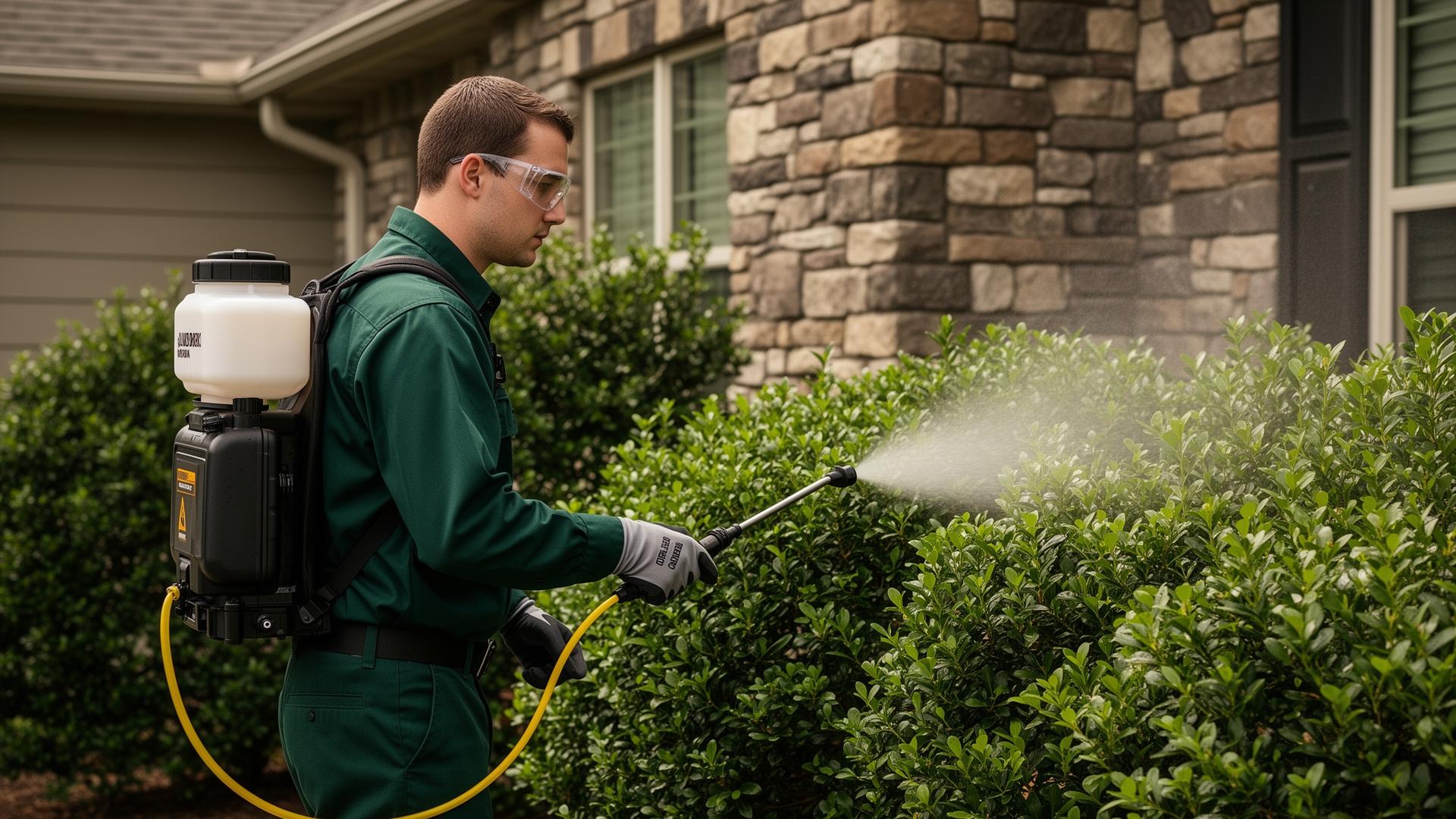
Bed Bugs Upstairs: Identify the Rooms Before Choosing the Treatment
In a vintage apartment, the inspection begins with sleeping and resting areas: accessible bed frames, upholstered furniture, room edges, and nearby hiding places. We ask where signs have appeared, whether belongings have moved between rooms, and whether other households have reported related activity.
In multi-unit properties, openings around connecting pipes, wiring, and wall voids can warrant attention. A report from one apartment is a reason to investigate; it does not establish that every neighboring unit needs treatment.
Bed Bug Heat Treatment — 6-Month Warranty
Professional heating and temperature monitoring address the designated treatment area. We explain which rooms are included, preparation requirements, and the handling of heat-sensitive belongings before service.
Bed Bug Liquid Treatment — 3-Month Warranty
Targeted professional applications address identified harborages and appropriate treatment sites. The plan includes scheduled follow-up visits, with preparation and access coordinated in advance.
For apartments above a business, tell us which entrance serves the unit and who can arrange additional building access if inspection findings warrant it.
Rodent Exclusion Behind the Storefront
A clean front entrance does not reveal the condition of an alley door, basement stairwell, or utility opening. Our rodent control and structural exclusion assessment follows accessible building connections from the rear exterior into service spaces and affected rooms.
The Door the Customer Never Uses
We inspect accessible rear-door corners, thresholds, and surrounding materials. Where deliveries or refuse handling affect inspection access, we explain the operating conditions that need attention alongside any proposed repairs.
The Basement Shared by Different Occupants
We assess accessible service penetrations, foundation-to-framing junctions, and openings around storage or mechanical areas. A tenant-level repair and work involving a common building area may need different authorization.
The Renovation Connection
Older masonry beside newer framing, enclosed rear additions, and later plumbing installations can create inspection priorities. Finished surfaces may conceal connections, so we identify where further access is needed rather than assuming a visible gap is the only route.
Trapping and monitoring help establish rodent activity. Exclusion addresses identified entry points with materials and fastening methods suited to the surrounding construction. Where deteriorated masonry, damaged doors, or concealed openings need another contractor, we explain that work clearly.
General Pest Barriers for Street-Level Businesses and Residential Kitchens
Cockroaches
Accessible equipment edges, sink plumbing, food storage, and moisture conditions guide inspection in both apartments and commercial spaces. Treatment and monitoring follow the findings, with management coordination where shared service areas require access.
Ants
We investigate observed trails around windows, exterior doors, accessible foundation edges, and service openings. Appropriate treatment accompanies recommendations for supporting food or moisture conditions and gaps needing repair.
Spiders
Basement windows, storage corners, rear stair enclosures, and accessible exterior entries receive attention where activity is reported. Targeted service and accessible web removal, where appropriate, accompany practical maintenance recommendations.
General pest barriers work best as a property-specific plan: identify the pest, inspect the relevant areas, explain treatment access, and address supporting conditions.
Before We Arrive, Confirm Who Can Open Each Area
For an Andersonville property, provide the apartment or storefront identifier, the correct entrance, and access details for any relevant basement, rear stair, or service area. If a fixed appliance or enclosed finish restricts inspection, mention it when booking.
Our office at 4311 N. Ravenswood Ave, Suite 100, Chicago, IL 60613 supports prompt North Side response. Call (773) 240-5932 with the observed activity and the areas you can make accessible. We’ll confirm availability, your arrival window, and the access needed for a thorough inspection.
We also serve neighboring Edgewater and Ravenswood properties.